
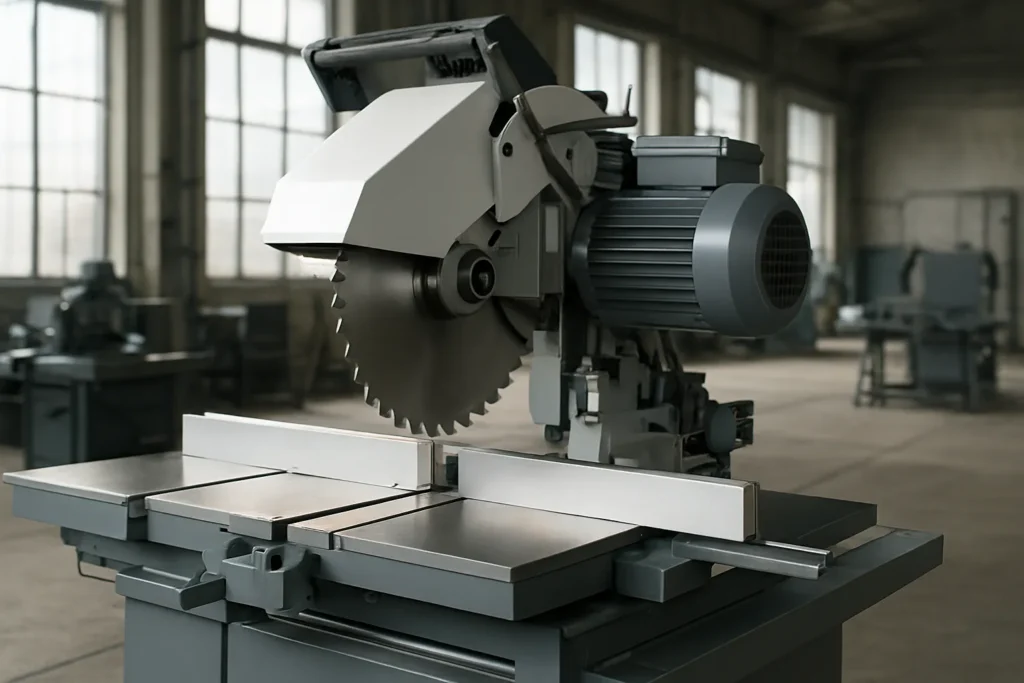
Maximizing Efficiency with Multi-functional Cutting Saws for Industrial Applications
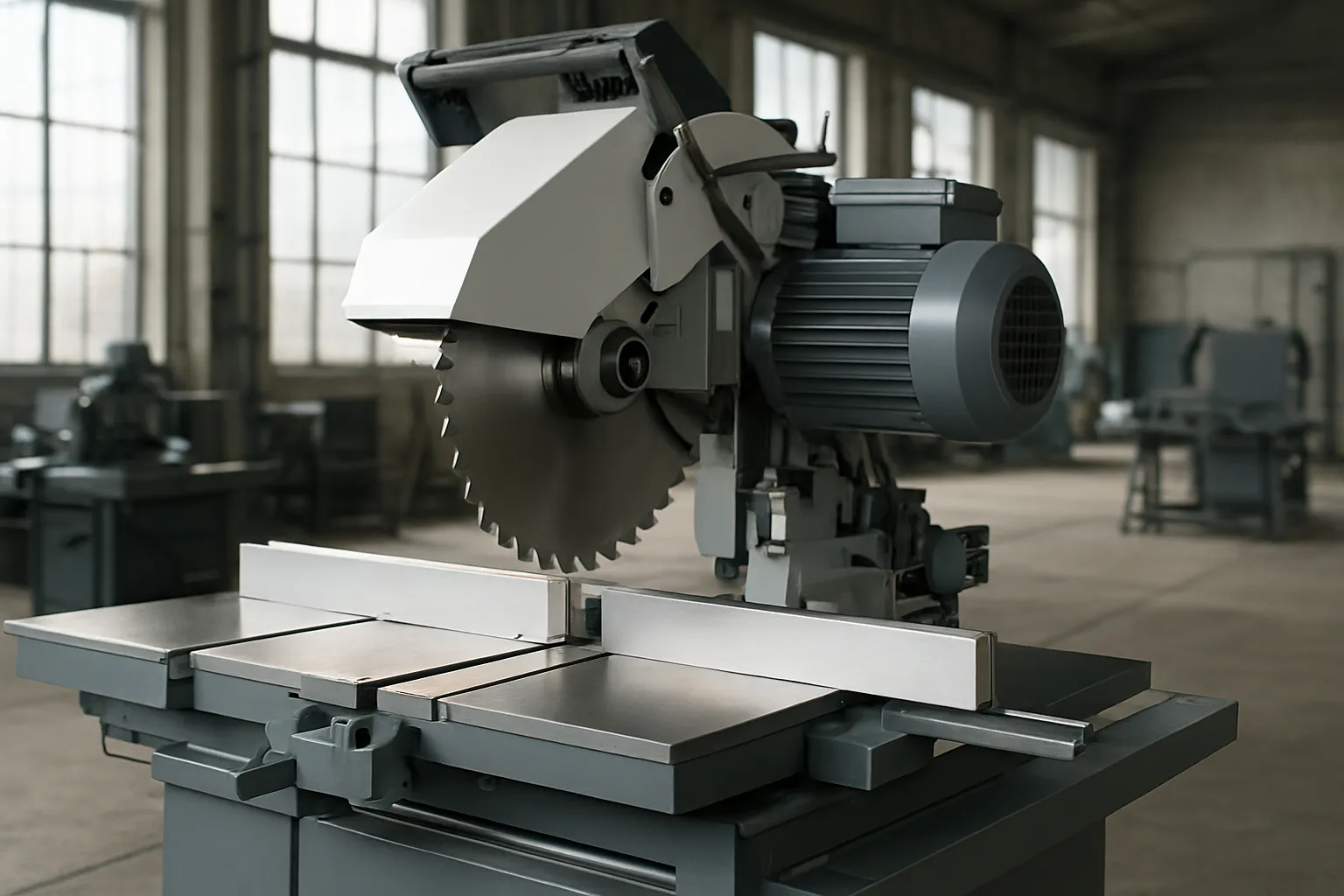
Multi-functional cutting saws are advanced tools in the industrial cutting landscape, engineered to execute a diverse range of cutting tasks with remarkable precision and efficiency. These versatile machines can adeptly handle various materials such as metals, wood, and composites, making them essential in numerous industrial environments. In my experience, adopting multi-functional cutting saws is crucial for industries aiming for heightened productivity. They not only streamline operations but also minimize the need for multiple machines, resulting in substantial cost savings and improved workflow. For a comprehensive overview of available products, visit our Products – Wuyi Ruiying Tools MFG Co.,Ltd.
Key Specifications of Multi-functional Cutting Saws
When selecting a multi-functional cutting saw, several key specifications should be taken into account:
- Blade Types and Sizes: Multi-functional cutting saws come equipped with various blade types, including carbide-tipped, bi-metal, and diamond blades, catering to different materials and cutting requirements. The size of the blade also plays a crucial role, as it determines the depth and width of cuts achievable.
- Motor Power and Speed: The motor power directly impacts the saw’s cutting capability and efficiency. Typically, higher motor power translates to faster cutting speeds, reducing downtime and enhancing productivity. Variable speed settings allow operators to tailor the cutting speed based on the material being processed.
- Material Compatibility: These saws are designed to cut a wide array of materials. Understanding the compatibility with specific materials, such as aluminum, steel, wood, or composite materials, is vital for maximizing performance and achieving optimal results.
Use Cases in Industrial Applications
Multi-functional cutting saws find applications across various industries due to their adaptability:
- Metal Fabrication: In metalworking, these saws are indispensable for cutting various metals with precision. Their ability to switch between blade types allows for efficient cutting of different metal thicknesses and compositions.
- Woodworking: In the woodworking sector, multi-functional saws excel at making intricate cuts in hardwood and softwood, enabling craftsmen to produce detailed designs and structures.
- Composite Material Cutting: With the growing use of composite materials in industries like automotive and aerospace, multi-functional cutting saws are increasingly employed to achieve clean cuts without compromising the material’s integrity. For more technical insights, refer to this technical reference.
Comparing Multi-functional Cutting Saws with Traditional Equipment
When comparing multi-functional cutting saws to traditional cutting equipment, several advantages stand out:
- Efficiency and Speed: Multi-functional cutting saws are engineered for rapid operation, significantly reducing cutting time compared to traditional saws. This efficiency translates to higher output and reduced labor costs.
- Versatility and Functionality: Unlike traditional saws that are often limited to specific tasks, multi-functional cutting saws can handle a variety of jobs. This versatility allows businesses to consolidate their equipment, minimizing the need for multiple machines.
- Cost-effectiveness: Although the initial investment in multi-functional cutting saws may be higher than traditional equipment, the long-term savings in maintenance, labor, and operational efficiency make them a prudent choice for many businesses.
Sourcing Multi-functional Cutting Saws
When looking to source multi-functional cutting saws, consider the following:
- Top Manufacturers and Brands: Research reputable manufacturers known for producing high-quality industrial cutting equipment. Brands with a strong track record in the industry often provide reliable products backed by excellent customer support.
- Evaluating Supplier Reliability: Assess suppliers based on their reputation, customer reviews, and warranty offerings. Reliable suppliers should also provide comprehensive technical support and service options.
- Pricing Considerations: While price is an important factor, it should not be the sole consideration. Evaluate the overall value, including features, durability, and after-sales support, to ensure you are making a wise investment.
Implementation Strategies for Businesses
Successfully integrating multi-functional cutting saws into your operations requires careful planning:
- Training and Safety Protocols: Ensure that all operators are adequately trained in using the saws, focusing on safety protocols to prevent accidents. Safety training should cover proper handling, maintenance, and emergency procedures.
- Maintenance Best Practices: Regular maintenance is vital for optimal performance. Establish a maintenance schedule that includes blade inspections, lubrication, and motor checks to prolong the life of the equipment.
- Integration with Existing Equipment: Consider how the new saws will fit into your existing workflow. Effective integration may require adjustments to production lines or additional training for staff on new processes.
Frequently Asked Questions
- What are the benefits of using multi-functional cutting saws? Multi-functional cutting saws offer increased efficiency, versatility, and cost savings by allowing businesses to perform various cutting tasks with a single machine.
- How do I choose the right saw for my needs? Consider the materials you will be cutting, the required precision, and the volume of work. Assessing these factors will help you select the most suitable saw for your operations.
- What maintenance is required for optimal performance? Regular blade inspections, cleaning, lubrication, and timely replacement of worn components are essential for maintaining optimal performance and extending the life of the saw.
In conclusion, multi-functional cutting saws are transforming industrial applications by enhancing efficiency and versatility while offering significant cost benefits. By understanding their specifications, use cases, and sourcing strategies, businesses can make informed decisions that lead to improved productivity and operational success.