
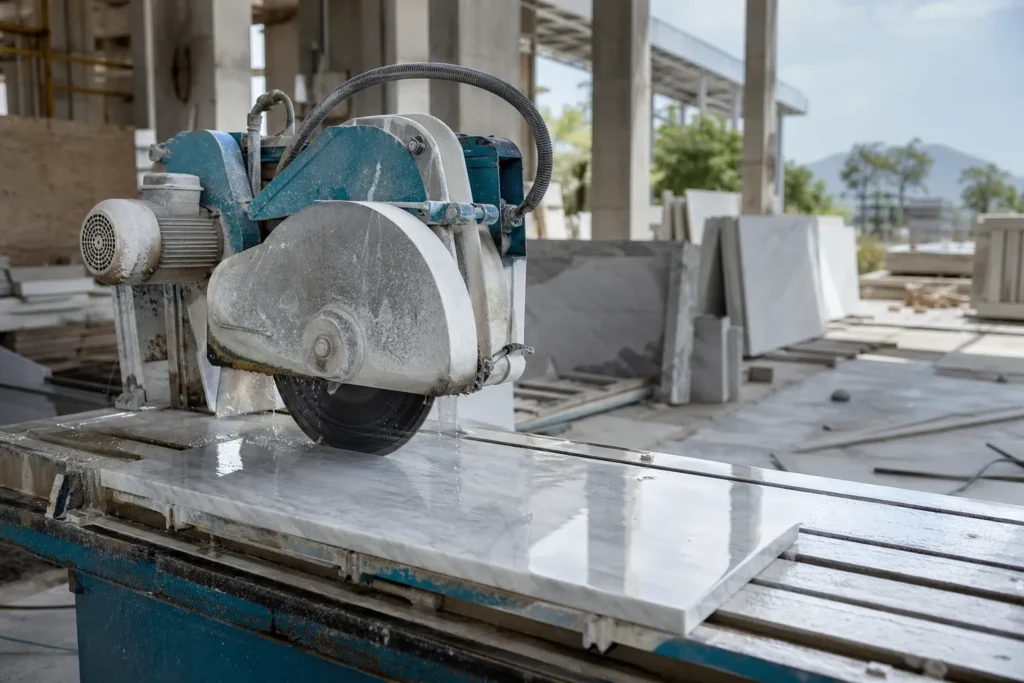
Essential Guide to Choosing the Best Marble Cutting Machine
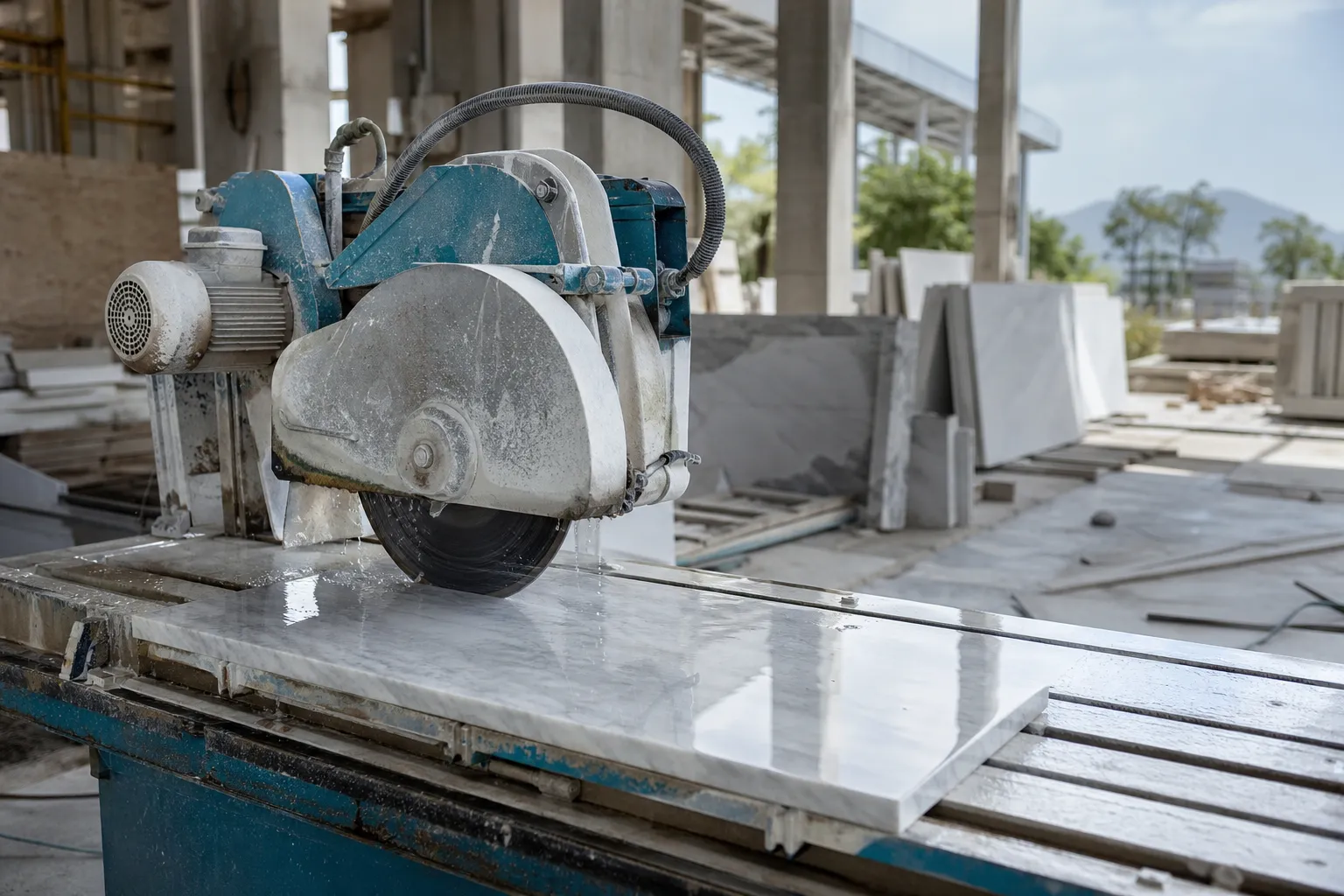
In the construction industry, the selection of appropriate tools can greatly influence project outcomes. Among these tools, the marble cutting machine is indispensable for contractors who specialize in stonework. The significance of choosing a high-quality marble cutting machine cannot be overstated, as it directly affects cutting precision, operational speed, and ultimately, client satisfaction. With countless construction tools available, making a well-informed decision is essential for ensuring successful project completions.
Key Specifications to Consider
When assessing marble cutting machines, it’s crucial to consider several key specifications to select the machine that best suits your requirements.
- Blade Size and Type: The blade is arguably the most important component of a marble cutting machine. Depending on the project, you may need different blade sizes and types, such as diamond blades for clean cuts or segmented blades for quicker cuts. Knowing the specific needs of your projects will guide your selection.
- Power and Performance Ratings: The power of a marble cutting machine is typically measured in watts or horsepower. Generally, higher power ratings correlate with better performance, especially when cutting tougher materials. Assessing the machine’s RPM (revolutions per minute) is also essential, as this impacts both cutting speed and efficiency.
- Weight and Portability: Depending on your project requirements, the weight and portability of the marble cutting machine can be significant. If you frequently move between job sites, a lighter, more portable machine may be beneficial. Heavier models might provide more stability for stationary use.
Use Cases for Marble Cutting Machines
Marble cutting machines are versatile tools that serve various applications across different project types:
- Residential Projects: In home renovations or new constructions, marble cutting machines are employed to create beautiful countertops, flooring, and decorative features. Their precision allows for intricate designs that enhance the aesthetic appeal of residential spaces.
- Commercial Projects: In commercial environments, these machines are essential for producing large quantities of tiles or slabs needed for businesses such as hotels, restaurants, and retail spaces. Their efficiency can significantly reduce project timelines.
- Specialty Applications: Beyond regular cutting tasks, marble cutting machines can be used for specialty applications like crafting custom sculptures or detailed architectural features. Their versatility makes them invaluable in artistic and bespoke projects.
Comparing Different Marble Cutting Machines
With a multitude of options available, comparing different marble cutting machines is crucial for making an informed purchase.
- Top Brands and Models: Renowned brands such as Bosch, Makita, and DeWalt offer various models tailored to different needs. Researching these brands and their specific offerings can provide valuable insights into reliability and performance.
- Price Ranges and Value: Prices for marble cutting machines can vary widely, from budget models to premium machines with advanced features. Evaluating the value of each option—considering both the initial cost and long-term durability—is essential.
- User Reviews and Ratings: User feedback serves as a valuable resource when selecting a marble cutting machine. Reviews can offer real-world insights into performance, usability, and potential issues.
Sourcing Your Marble Cutting Machine
Finding the right marble cutting machine involves understanding your sourcing options.
- Where to Buy: Marble cutting machines can be acquired through various channels, including specialized construction tool retailers, online marketplaces, and manufacturer websites. Each option may present different pricing and availability.
- New vs. Used Equipment: While new machines come with warranties and the latest technology, used equipment can be more cost-effective. Evaluating the condition and history of used machines is vital to avoid potential pitfalls.
- Rental Options: For short-term projects or if you’re testing a specific model, renting a marble cutting machine can be a budget-friendly choice. Many equipment rental companies provide flexible terms to accommodate your project timelines.
Implementation and Best Practices
Proper implementation and maintenance of your marble cutting machine are crucial for optimal performance.
- Setup and Maintenance Tips: Make sure the machine is set up according to the manufacturer’s guidelines. Regular maintenance, such as blade sharpening and cleaning, will extend the life of your equipment and maintain cutting efficiency.
- Safety Considerations: Safety should always be a top priority. Operators must wear appropriate personal protective equipment (PPE) and adhere to safety protocols to minimize risks associated with marble cutting.
- Training for Operators: Investing in training for your operators can enhance both efficiency and safety. Proper training ensures that users are familiar with the machine’s capabilities and limitations.
Frequently Asked Questions
Here are some common questions regarding marble cutting machines:
- Common Issues and Solutions: Some frequent problems with marble cutting machines include blade wear and overheating. Regular maintenance and correct usage can help mitigate these challenges.
- Warranty and Support Information: It’s essential to understand the warranty and support options available with your purchase. This information can provide peace of mind in case of equipment failure or issues.
- Upgrading Your Equipment: As technology evolves, upgrading your marble cutting machine may be beneficial. Evaluating new features and capabilities can improve your operational efficiency and project outcomes.
In conclusion, selecting the right marble cutting machine is a critical decision that can significantly influence the success of your construction projects. By taking into account key specifications, understanding various use cases, comparing options, and implementing best practices, you can ensure that you choose the ideal machine for your needs. Investing in quality equipment not only boosts your productivity but also enhances the overall quality of your work.