Understanding Industrial Cutting Machines: Types and Applications
Industrial cutting equipment encompasses a variety of machines designed to cut different materials with precision and efficiency in manufacturing settings. These machines are pivotal in the production process, enabling businesses to create components and products that adhere to stringent specifications. The significance of industrial cutting equipment cannot be overstated, as it directly influences production speed, cost-effectiveness, and product quality. In my experience, investing in the right cutting machines is essential for manufacturers aiming to enhance their operational capabilities in today’s competitive landscape. For further insights on industrial cutting equipment, you can refer to this industry reference.
Types of Cutting Machines
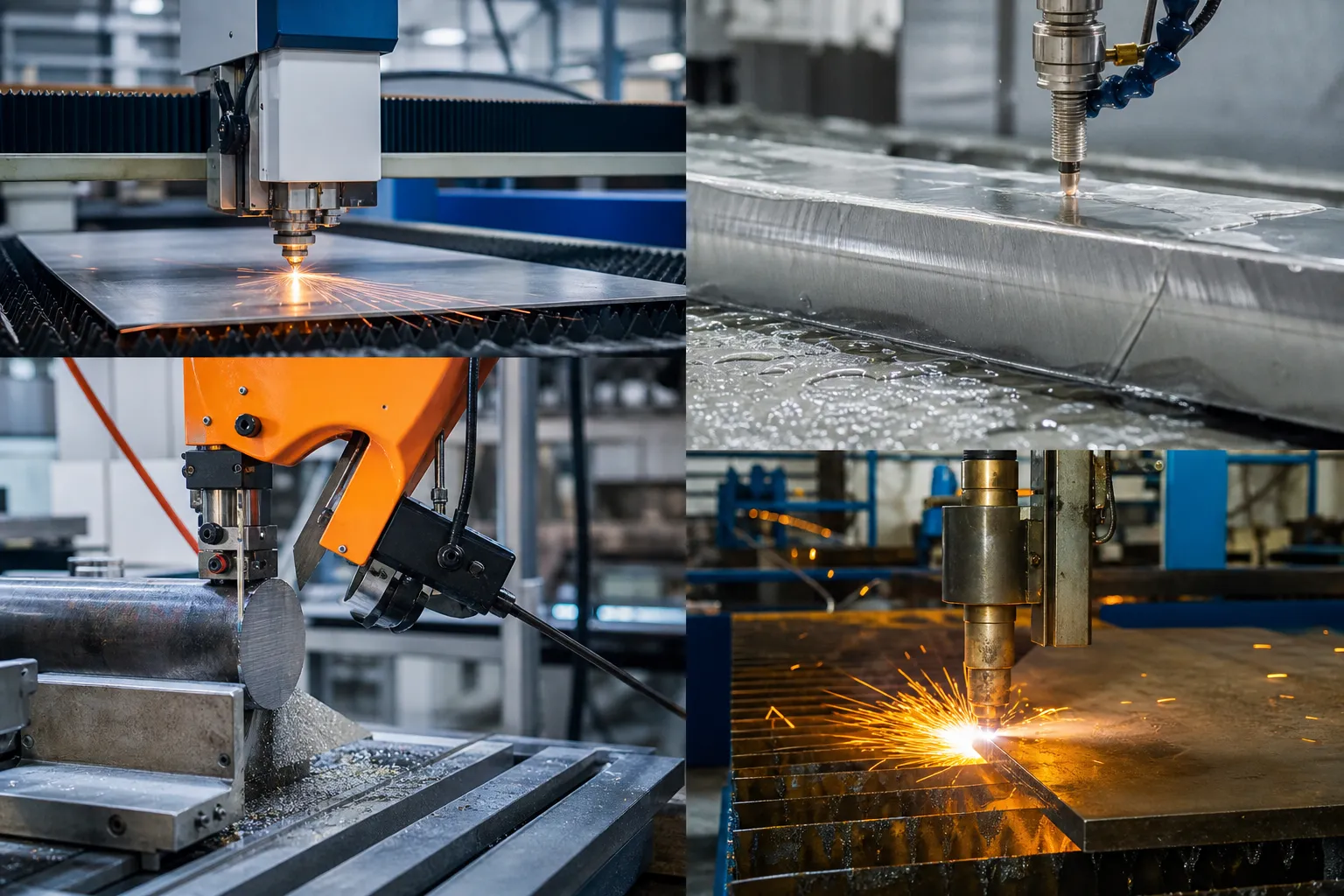
When exploring industrial cutting equipment, various types of machines cater to diverse cutting needs:
- Laser Cutting Machines: These machines utilize high-powered lasers, offering exceptional precision and versatility. They can cut through a range of materials, including metals, plastics, and wood, making them ideal for intricate designs and detailed work.
- Waterjet Cutting Machines: Employing high-pressure water jets mixed with abrasives, these machines effectively cut through materials. Waterjet cutting is particularly valuable for thicker materials, as it avoids heat-induced distortion.
- Plasma Cutting Machines: Plasma cutters create plasma arcs to slice through conductive materials, such as steel and aluminum. Known for their speed and efficiency, plasma cutting machines excel in heavy-duty applications and metal fabrication.
- CNC Cutting Machines: Computer Numerical Control (CNC) machines are programmed to execute precise cutting operations automatically. Their versatility allows them to work with various cutting technologies, including laser, plasma, and waterjet, making them a staple in modern manufacturing.
Specifications to Consider
When evaluating industrial cutting machines, several specifications warrant consideration:
- Material Compatibility: Different machines are tailored for specific materials. Understanding the types of materials your production line handles is vital for selecting the appropriate equipment.
- Cutting Thickness and Speed: The material’s thickness and the required cutting speed can significantly impact productivity. Each cutting machine offers varying capabilities in these areas.
- Precision and Tolerance Levels: Many industries demand components manufactured within tight tolerances. Assessing the precision levels of cutting machines is essential to ensure they meet production standards.
Use Cases for Different Industries
Industrial cutting machines serve various sectors:
- Aerospace Industry: In aerospace, precision and weight reduction are critical. Cutting machines manufacture components from lightweight materials like titanium and aluminum, ensuring compliance with rigorous safety and performance standards.
- Automotive Industry: The automotive sector relies on cutting machines to produce parts with high accuracy. From body panels to engine components, the efficiency of these machines contributes to streamlined production processes.
- Metal Fabrication: Metal fabrication heavily depends on cutting machines for tasks such as shearing, punching, and shaping materials. Their versatility allows fabricators to produce a wide range of products, from simple brackets to complex assemblies.
Comparing Cutting Machines
When deciding on which cutting machine to invest in, several key factors come into play:
- Cost Analysis: The initial investment for cutting machines can vary significantly. Conducting a thorough cost analysis that includes not only the purchase price but also ongoing operational costs is essential.
- Efficiency and Productivity: Evaluating the efficiency of cutting machines can help gauge their potential impact on productivity. Machines that operate faster and with minimal downtime can yield significant returns on investment.
- Maintenance Requirements: Regular maintenance is vital for the longevity of cutting machines. Understanding maintenance needs and associated costs can aid in selecting the right equipment for your operations.
Sourcing Wholesale Cutting Machines
Finding reliable suppliers for wholesale cutting machines is crucial for businesses looking to scale:
- Finding Reliable Suppliers: Researching suppliers and seeking recommendations can help identify reputable sources. Trade shows and industry conferences are excellent venues for connecting with manufacturers.
- Evaluating Supplier Credentials: Before making a purchase, it’s vital to assess potential suppliers’ credentials. Look for certifications, customer reviews, and case studies that demonstrate their reliability and quality.
- Negotiating Prices and Terms: Once a suitable supplier is identified, negotiating prices and terms can lead to better deals. Understanding market rates and discussing your needs can facilitate successful negotiations.
Implementation and Integration
Successful implementation of cutting machines involves several considerations:
- Installation Considerations: Proper installation is essential for optimal performance. Ensure the machine is set up according to the manufacturer’s specifications and that all necessary utilities are available.
- Training for Operators: Investing in operator training is crucial to maximizing the machine’s capabilities. Well-trained personnel can operate the equipment efficiently and safely, minimizing the likelihood of errors.
- Safety Protocols: Implementing safety protocols is vital in any industrial setting. Ensure that all operators are aware of safety measures and that the machinery is equipped with necessary safety features.
Frequently Asked Questions
- What is the lifespan of cutting machines? The lifespan of cutting machines varies based on usage, maintenance, and technology; however, with proper care, they can last many years.
- How to choose the right cutting machine? Consider your specific production needs, including material types, thickness, and desired precision, to select the most suitable machine.
- What are common issues faced with cutting machines? Common issues include wear and tear, misalignment, and software malfunctions. Regular maintenance and operator training can help mitigate these problems.
In conclusion, understanding the various types of industrial cutting equipment is crucial for businesses looking to enhance their manufacturing processes. By carefully considering specifications, use cases, and sourcing options, companies can make informed decisions that lead to increased efficiency and productivity.