
The Benefits of Multi-functional Cutting Equipment in Industrial Applications
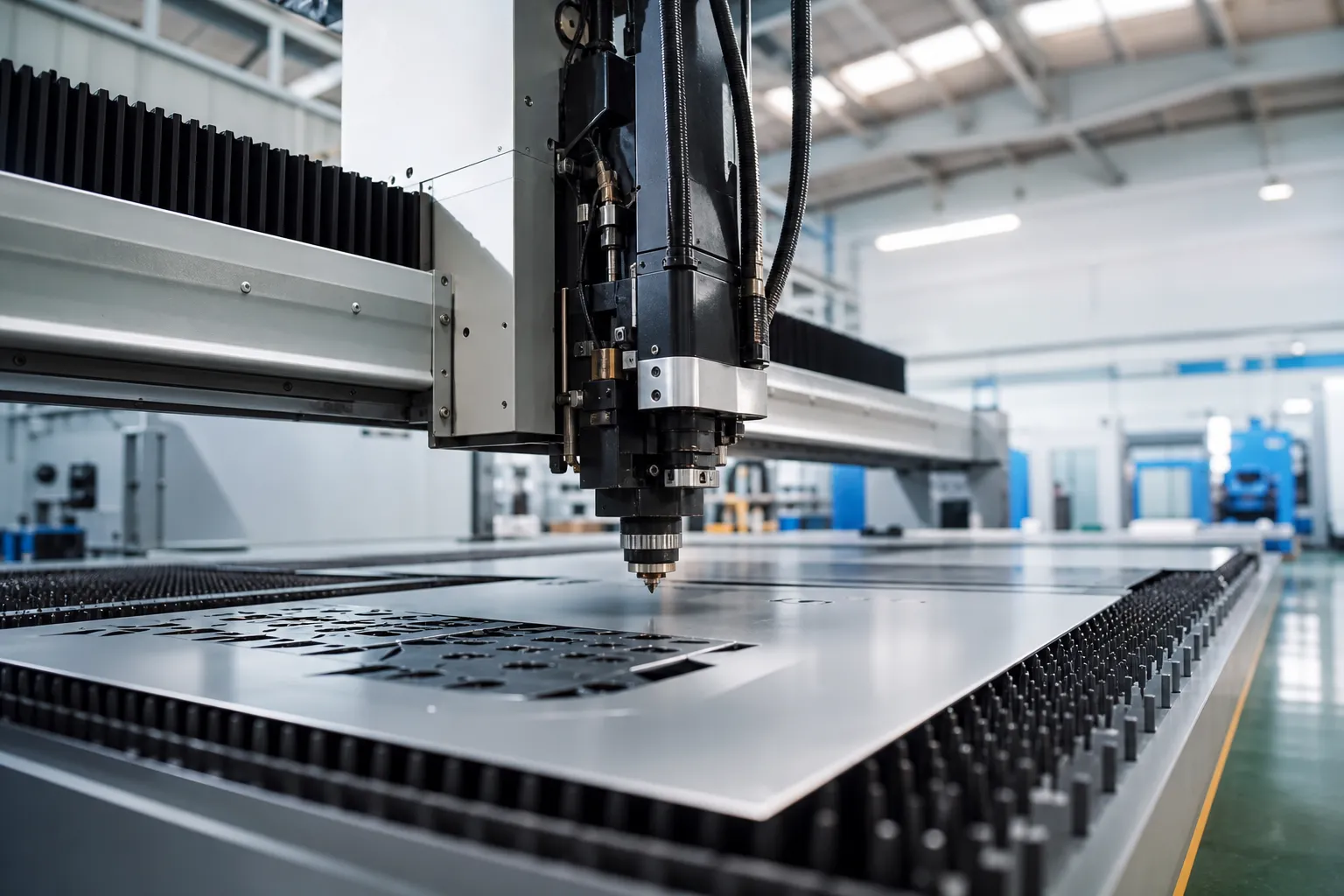
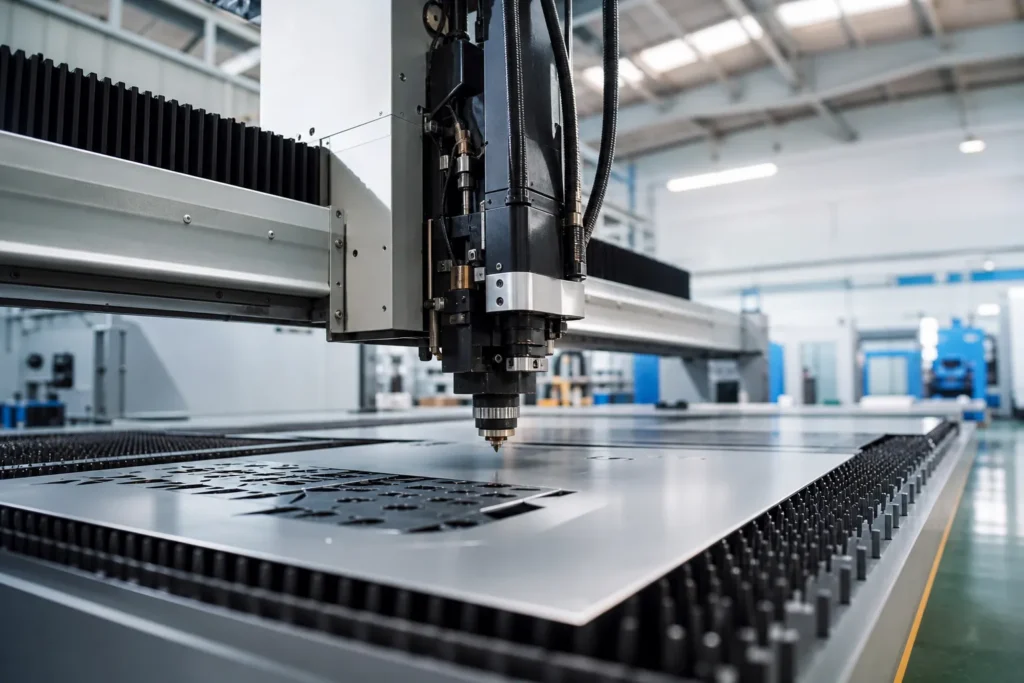
In today’s fast-paced industrial manufacturing landscape, the need for efficiency and precision has catalyzed the rise of multi-functional cutting equipment. These versatile tools, designed to perform a variety of cutting tasks, have become indispensable across various industrial applications. By accommodating different materials and cutting techniques, multi-functional cutting equipment streamlines operations and boosts productivity. They are essential for enhancing operational efficiency in industrial settings.
The significance of these tools in industrial settings is immense. As sectors strive to enhance efficiency and lower operational costs, leveraging a single piece of equipment for multiple functions can markedly reduce the necessity for various tools and machinery. This not only conserves space but also minimizes downtime associated with tool changes and maintenance.
Key Specifications of Multi-functional Cutting Equipment
To fully appreciate the advantages of multi-functional cutting equipment, it’s crucial to understand their key specifications:
- Material Compatibility: These tools are engineered to work with a diverse range of materials, including metals, plastics, composites, and wood. This versatility allows industries to utilize the same tool across various projects, reducing the need for specialized equipment.
- Cutting Precision and Speed: One of the standout features of these cutting tools is their ability to deliver high precision and speed. With advanced technology, they can achieve tight tolerances and intricate designs, which is crucial in sectors such as aerospace and automotive manufacturing.
- Durability and Maintenance Requirements: Industrial cutting tools endure rigorous use, and multi-functional equipment is built to withstand demanding conditions. They typically feature robust construction and materials that enhance durability while requiring less frequent maintenance compared to traditional tools.
Use Cases in Various Industries
Multi-functional cutting equipment is versatile and finds applications across numerous industries, including:
- Manufacturing Sector: In manufacturing, these tools are employed for cutting, shaping, and finishing products. Their ability to seamlessly switch between various cutting methods—such as sawing, milling, and drilling—makes them ideal for producing complex components efficiently.
- Construction Industry: The construction sector benefits from multi-functional cutting tools that can handle a variety of materials, from wood to metal. These tools facilitate faster project completion by enabling quick transitions between tasks, such as framing and finishing.
- Automotive Applications: In the automotive industry, precision is paramount. Multi-functional cutting equipment is utilized in the production of parts and assemblies, where exact specifications are critical for safety and performance.
Comparison with Traditional Industrial Cutting Tools
When compared to traditional industrial cutting tools, multi-functional cutting equipment offers several advantages:
- Cost-effectiveness: Investing in multi-functional tools can lead to significant cost savings. Businesses can reduce their capital expenditure by purchasing fewer tools while also minimizing maintenance costs.
- Versatility and Efficiency: Traditional tools often require multiple setups for different tasks, leading to increased labor costs and time. Multi-functional cutting equipment consolidates these tasks, enhancing operational efficiency and reducing lead times.
- User Experience and Safety: Modern multi-functional cutting tools are designed with user safety in mind, incorporating features that minimize risk. They often include automated settings and safety mechanisms that enhance the user experience compared to older, manual tools.
Sourcing Multi-functional Cutting Equipment
When sourcing multi-functional cutting equipment, businesses should consider the following:
- Evaluating Suppliers: It is crucial to choose reliable suppliers known for quality and service. Researching customer reviews and industry reputation can provide insights into supplier reliability.
- Key Features to Look For: Essential features include ease of use, adaptability to different materials, and advanced safety features. Additionally, software compatibility for CNC machines can enhance functionality.
- Cost Considerations: While the initial investment might be higher than traditional tools, the long-term savings in maintenance and operational efficiency should be factored into the overall cost analysis.
Implementation Strategies
Successful integration of multi-functional cutting equipment into existing operations requires strategic planning:
- Training and Skill Development: Providing comprehensive training for operators is essential to maximize the benefits of multi-functional tools. Skilled operators can leverage the full capabilities of the equipment, leading to improved output.
- Integration with Existing Systems: Ensuring that new equipment is compatible with existing machinery and workflows is vital. This may involve software updates or adjustments to production lines.
- Measuring Performance and ROI: Establishing key performance indicators (KPIs) to measure the effectiveness of the new equipment can help in assessing return on investment. Regular evaluation allows for ongoing improvements.
Frequently Asked Questions
- What are the advantages of multi-functional tools? Multi-functional tools offer versatility, cost savings, and enhanced efficiency, allowing businesses to streamline operations and reduce the number of tools required.
- How to choose the right equipment? Consider the materials you will be working with, the precision required, and the specific tasks you need the equipment to perform. Evaluating supplier reliability and product features is also crucial.
- What are common maintenance practices? Regular cleaning, lubrication, and inspections are essential to maintain the longevity and performance of multi-functional cutting equipment. Following the manufacturer’s guidelines will ensure optimal operation.
Conclusion
In conclusion, multi-functional cutting equipment is transforming industrial applications by providing versatile, efficient, and cost-effective solutions. As industries continue to seek ways to enhance productivity and reduce costs, these tools stand out as essential assets. By understanding their specifications, applications, and implementation strategies, businesses can make informed decisions that lead to improved operational outcomes.